
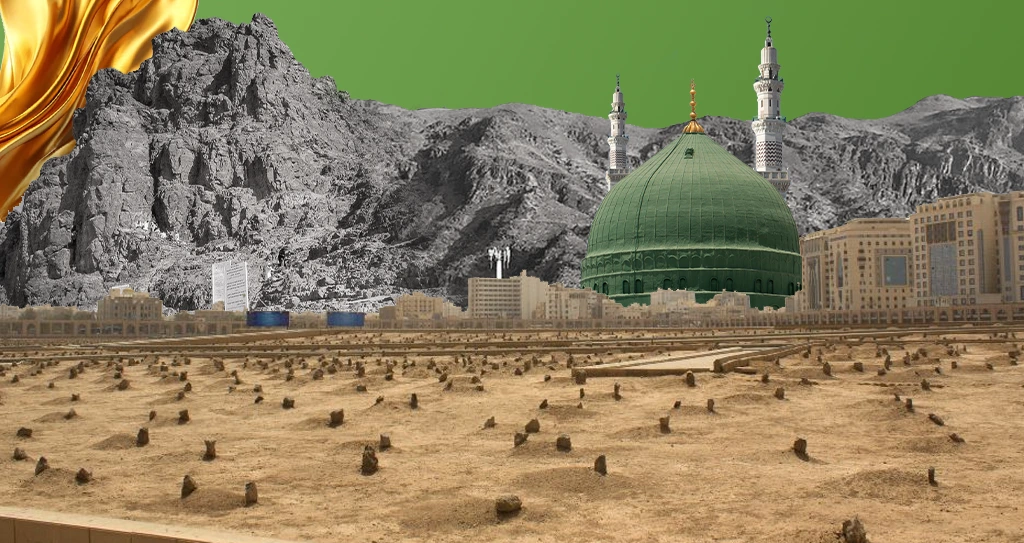
Madinah is one of the holiest cities in Islam and holds great importance for Muslims. It became the center of the first Islamic community after the Hijrah of Prophet Muhammad ﷺ. Today, millions of pilgrims visit Madinah during Umrah and Hajj to explore its sacred Islamic landmarks and strengthen their spiritual connection.
Ziyarat places in Madinah include historical mosques, battle sites, cemeteries, and locations linked to the life of Prophet Muhammad ﷺ and his companions. These holy places help visitors understand important events in Islamic history and the development of the Muslim community. From Masjid an-Nabawi to Mount Uhud, every site carries religious, historical, and educational value. Visiting these landmarks allows pilgrims to learn about Islamic heritage while experiencing the spiritual atmosphere of Madinah.
What Are Ziyarat Places in Madinah?
Ziyarat places in Madinah are Islamic historical sites connected with Prophet Muhammad ﷺ, his companions, and important events in early Islam. These locations include mosques, cemeteries, battlefields, wells, and other landmarks that played a significant role in the growth of the Muslim community. Muslims visit these sites to learn about Islamic history and gain a deeper understanding of the Prophet’s life.
Unlike obligatory acts of worship, visiting ziyarat places is voluntary. However, these locations provide valuable educational and spiritual benefits. Pilgrims can explore places linked with the Hijrah, Islamic governance, major battles, and the daily life of Prophet Muhammad ﷺ. Visiting these historical sites helps Muslims connect Islamic teachings with real locations in Madinah and appreciate the rich heritage of Islam.
Importance of Visiting Historical Islamic Sites in Madinah
Historical Islamic sites in Madinah help Muslims understand the foundation of the Islamic community. These locations are directly connected with Prophet Muhammad ﷺ, his companions, and major events that shaped Islamic history. Visiting these sites provides educational value and strengthens spiritual awareness.
Many Madinah ziyarat places preserve the legacy of the Hijrah, early Islamic governance, and important battles. Pilgrims can explore places where key Islamic decisions were made and where the Muslim community developed. These historical landmarks transform Islamic knowledge into a real-life experience. Visiting them allows Muslims to appreciate the sacrifices, leadership, and teachings that contributed to the spread of Islam and the growth of Madinah as a center of faith.
Most Famous Ziyarat Places in Madinah
Madinah contains many sacred Islamic landmarks connected with Prophet Muhammad ﷺ, his companions, and major events in Islamic history. These historical sites attract millions of pilgrims every year.
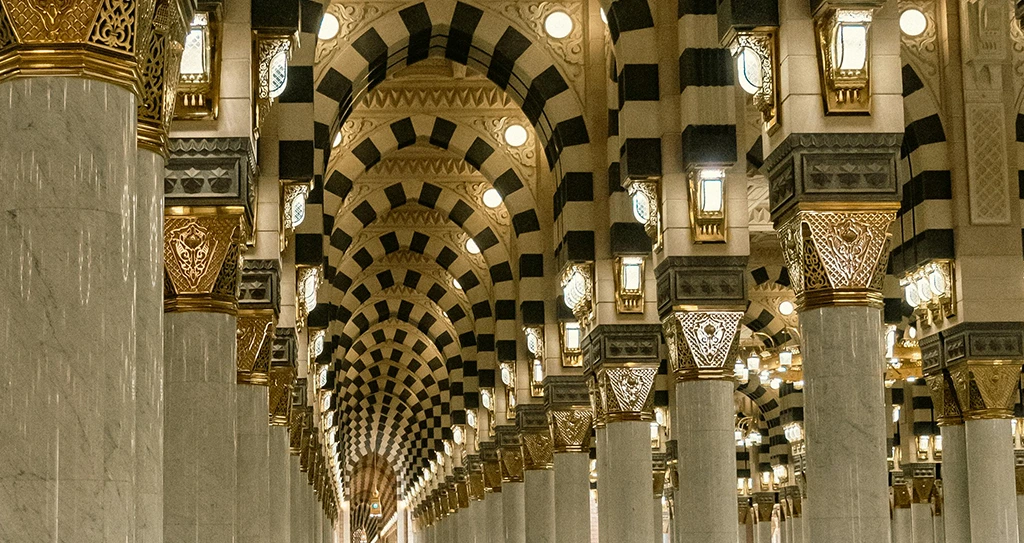
Masjid an-Nabawi
Masjid an-Nabawi is the most important ziyarat place in Madinah. Prophet Muhammad ﷺ established this mosque after arriving in Madinah during the Hijrah. Today, it is the second holiest mosque in Islam after Masjid al-Haram. The mosque contains the Rawdah, a highly respected area for prayer, and the resting place of Prophet Muhammad ﷺ.
Millions of Muslims visit Masjid an-Nabawi each year to offer prayers, seek spiritual peace, and learn about Islamic history. The mosque remains the religious and historical center of Madinah and holds immense significance for every Muslim pilgrim.
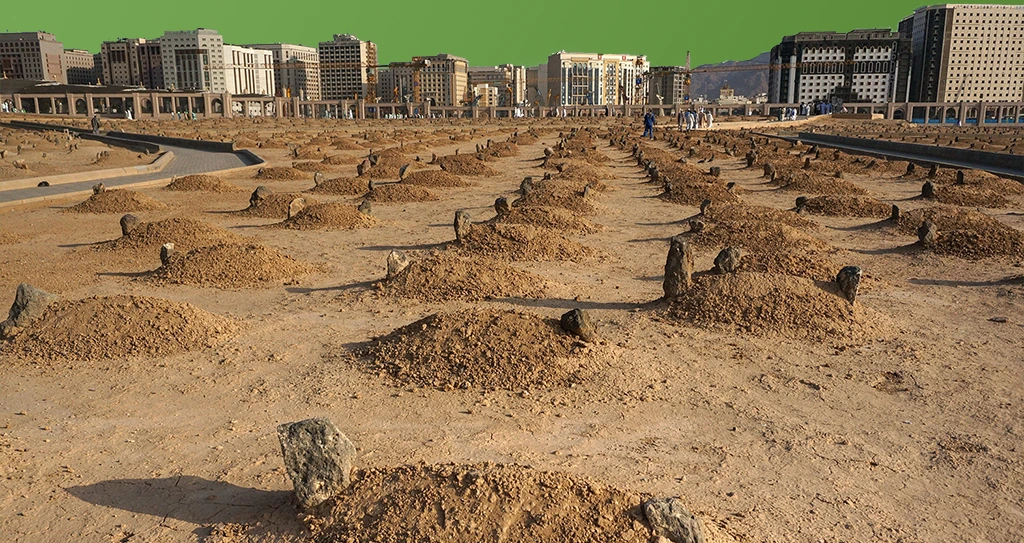
Jannat al-Baqi Cemetery
Jannat al-Baqi is the most famous cemetery in Madinah and holds great importance in Islamic history. Many companions of Prophet Muhammad ﷺ, family members, and respected Islamic figures are buried in this sacred cemetery. Located next to Masjid an-Nabawi, it remains one of the most visited ziyarat places in Madinah.
Muslims visit Jannat al-Baqi to remember the contributions and sacrifices of early believers. The cemetery reflects the history of the first Muslim community and provides pilgrims with an opportunity to make dua and reflect on the lives of those who helped spread Islam.
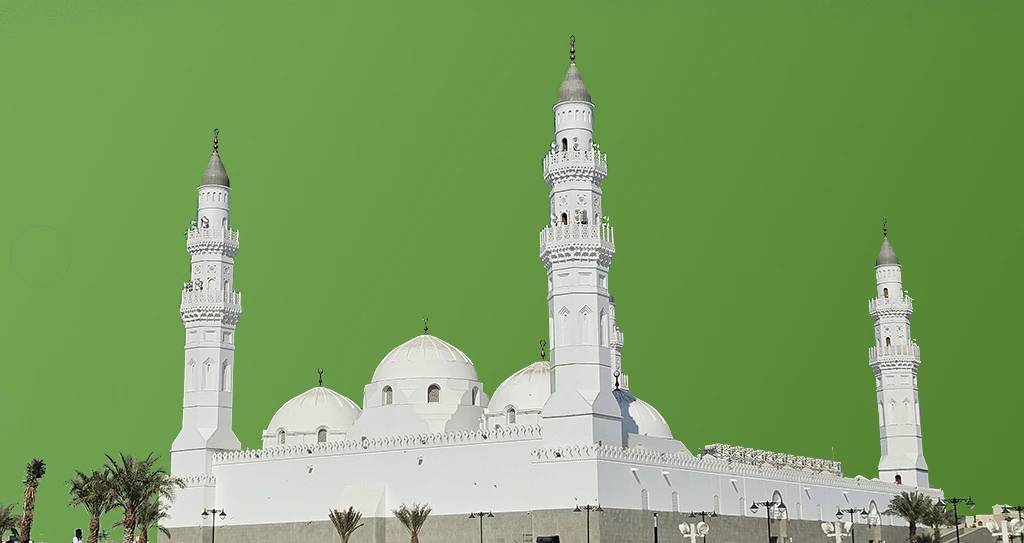
Masjid Quba
Masjid Quba is the first mosque built in Islamic history and one of the most important ziyarat places in Madinah. Prophet Muhammad ﷺ personally participated in its construction after arriving from Makkah during the Hijrah. The mosque is known for its strong historical and religious significance.
According to Islamic tradition, offering prayer in Masjid Quba carries great reward. Millions of pilgrims visit this mosque every year to follow the Sunnah of Prophet Muhammad ﷺ and experience one of the earliest landmarks of the Muslim community. The mosque symbolizes faith, unity, and the beginning of Islamic society.
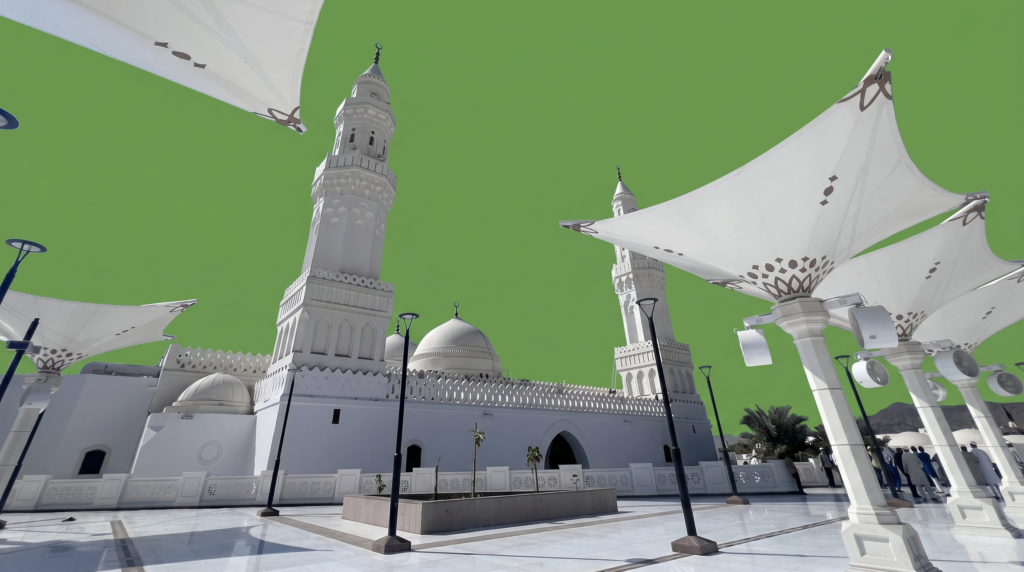
Masjid Qiblatain
Masjid Qiblatain is one of the most important historical mosques in Madinah. Its name means “Mosque of the Two Qiblas” because the direction of prayer changed here from Jerusalem to the Kaaba in Makkah.
This event marked a significant moment in Islamic history and strengthened the identity of the Muslim community. Today, pilgrims visit Masjid Qiblatain to learn about this important revelation and its impact on Islamic worship. The mosque remains a respected ziyarat place that highlights the development of Islamic practices during the lifetime of Prophet Muhammad ﷺ.
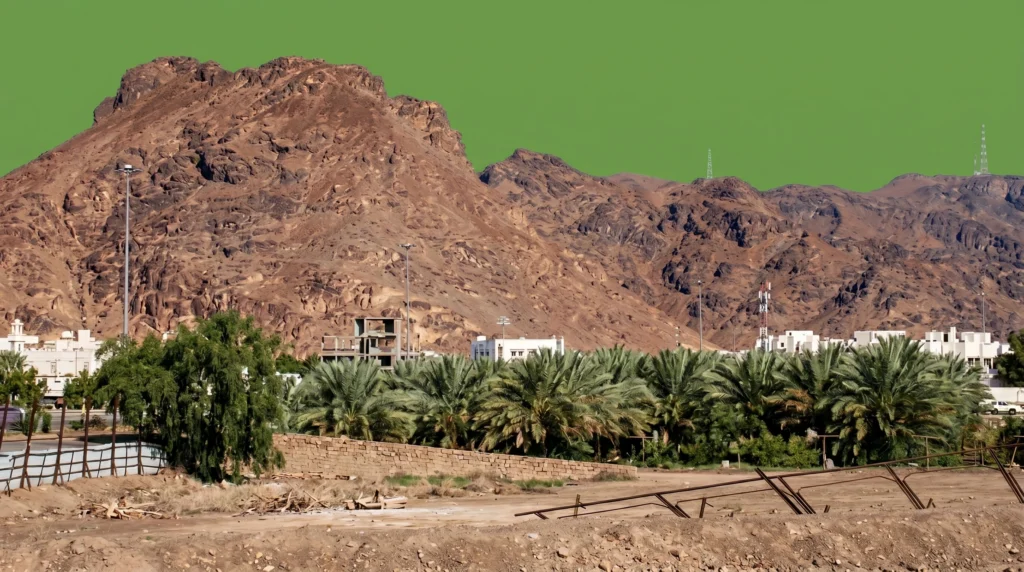
Mount Uhud
Mount Uhud is a famous Islamic landmark connected with the Battle of Uhud. This mountain is located north of Madinah and holds deep historical importance for Muslims. Many companions of Prophet Muhammad ﷺ were martyred near this site, including Hazrat Hamza رضي الله عنه.
Pilgrims visit Mount Uhud to learn about the sacrifices made during one of the most important battles in Islamic history. The area provides valuable insight into the challenges faced by the early Muslim community and remains one of the most visited ziyarat places in Madinah.
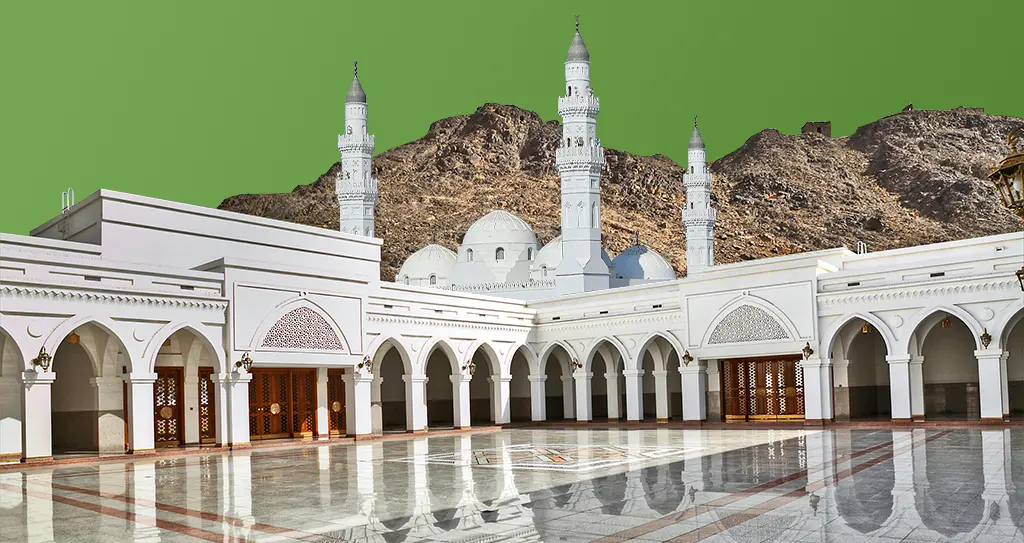
Seven Mosques
The Seven Mosques are a group of historical mosques associated with the Battle of the Trench. These mosques are located near the site where Muslims defended Madinah against enemy forces. Each mosque represents an important part of Islamic military and religious history.
Pilgrims often visit this area to understand the strategy, unity, and determination shown by the Muslim community during difficult times. The Seven Mosques remain a popular ziyarat destination because they connect visitors with major events that contributed to the protection and growth of Islam.
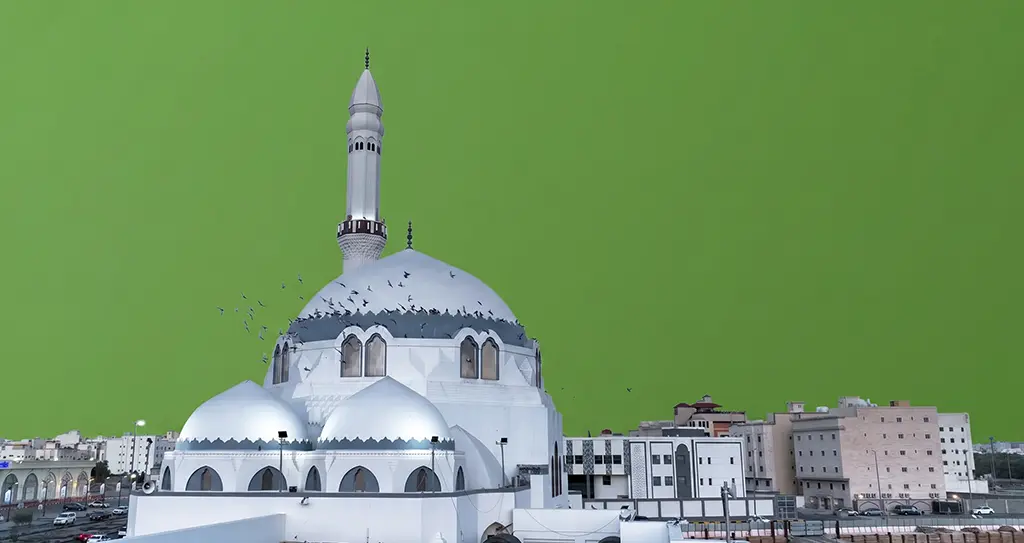
Masjid al-Jumu’ah
Masjid al-Jumu’ah is a historical mosque connected with the first Friday prayer in Islam. Prophet Muhammad ﷺ offered the first Jumu’ah prayer at this location while traveling to Madinah after the Hijrah. The mosque represents an important milestone in the establishment of the Muslim community.
Pilgrims visit Masjid al-Jumu’ah to learn about the early days of Islam and the significance of congregational worship. This historical landmark highlights the role of prayer, unity, and community building during the development of Islamic society in Madinah.
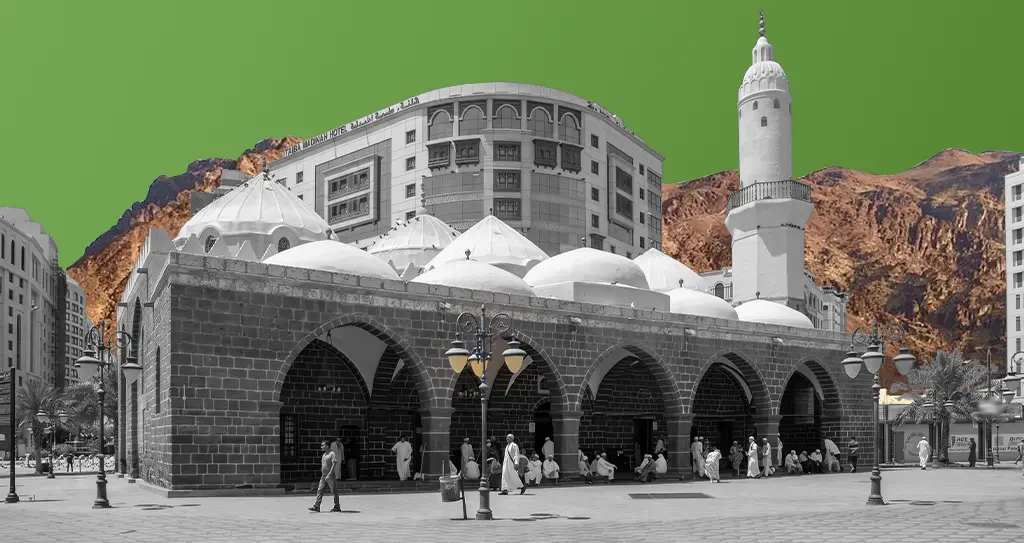
Masjid Ghamama
Masjid Ghamama is a well-known historical mosque located near Masjid an-Nabawi. According to Islamic traditions, Prophet Muhammad ﷺ offered Eid prayers and Salat al-Istisqa, the prayer for rain, at this site.
The mosque holds strong religious and historical value because of its connection with important acts of worship performed by the Prophet ﷺ. Many pilgrims include Masjid Ghamama in their Madinah ziyarat tour to explore its historical significance. The mosque reflects the spiritual life of the Muslim community during the prophetic era in Madinah.
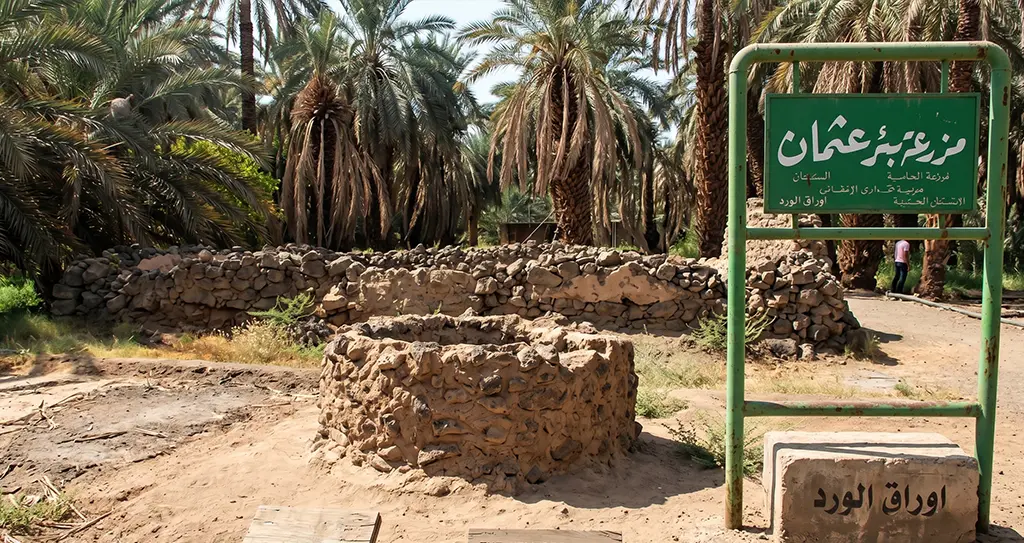
Well of Uthman
The Well of Uthman, also known as Bi’r Uthman, is a famous Islamic landmark in Madinah. Hazrat Uthman ibn Affan رضي الله عنه purchased this well and dedicated it for public use to benefit the Muslim community. This act of generosity became one of the most respected examples of charity in Islamic history.
Pilgrims visit the site to learn about the contributions of Hazrat Uthman رضي الله عنه and the importance of helping others. The well remains a symbol of community service, compassion, and social responsibility in Islam.
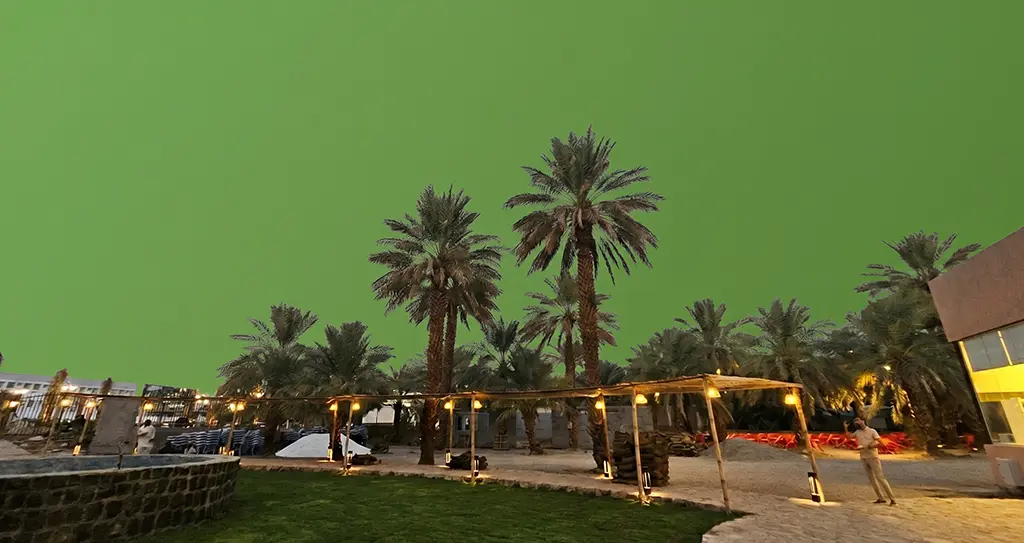
Salman al-Farsi Garden
Salman al-Farsi Garden is a respected historical site in Madinah connected with Hazrat Salman al-Farsi رضي الله عنه. According to Islamic history, this area is associated with the date palm trees he planted after gaining his freedom.
The site highlights the values of hard work, patience, and dedication. Many pilgrims visit this location to learn about the life of one of the most respected companions of Prophet Muhammad ﷺ. Salman al-Farsi Garden remains an important ziyarat place that reflects the social and cultural history of the early Muslim community in Madinah.
Best Time to Visit Ziyarat Places in Madinah
The best time to visit ziyarat places in Madinah depends on weather conditions, crowd levels, and pilgrimage schedules. Proper planning helps pilgrims enjoy a comfortable and meaningful spiritual experience while exploring important Islamic landmarks.
Weather Conditions and Pilgrim Comfort
Madinah experiences very hot weather during summer, especially between May and September. Many pilgrims prefer visiting historical sites during the early morning or evening hours. Cooler temperatures make outdoor visits more comfortable and allow visitors to spend more time exploring important Islamic landmarks.
Winter months provide pleasant weather and are often considered ideal for Madinah ziyarat tours. Pilgrims can comfortably visit mosques, battle sites, and historical locations without facing extreme heat or physical exhaustion during their journey.
Best Season for Madinah Ziyarat
Winter and the peak Umrah season are popular times for visiting Madinah. During these months, weather conditions remain favorable for outdoor travel and sightseeing. Ramadan also attracts large numbers of visitors because of its spiritual significance and increased worship opportunities.
Pilgrims who prefer fewer crowds often choose periods outside major pilgrimage seasons. Planning a ziyarat tour during moderate weather helps visitors explore historical Islamic sites comfortably while gaining a deeper understanding of the religious and historical importance of Madinah.
Transportation for Madinah Ziyarat
Transportation is an important part of every Madinah ziyarat journey. Many historical Islamic sites are located in different areas across the city. Reliable transport helps pilgrims visit multiple locations comfortably and efficiently. Organized travel services reduce delays and make sightseeing easier for families, groups, and elderly visitors. Professional drivers also understand local routes and major pilgrimage destinations. Choosing suitable transportation allows pilgrims to focus on learning about Islamic history and worship while traveling between important mosques, battle sites, cemeteries, and other religious landmarks throughout Madinah.
- Benefits of Organized Ziyarat Transport: Organized transport services provide comfort, convenience, and better time management. Pilgrims can visit several historical locations during one journey without worrying about navigation or transportation arrangements. These services are especially helpful for families, groups, and elderly travelers.
- Taxi Services for Pilgrims Visiting Holy Sites: Many visitors choose private taxi services to travel between important Islamic landmarks. Professional drivers help pilgrims reach mosques, cemeteries, and historical sites efficiently. Private transport also offers flexibility, comfort, and a personalized ziyarat experience throughout Madinah.
- Intercity Travel for Pilgrims: Many pilgrims continue their spiritual journey after completing Madinah ziyarat. Reliable Madinah to Makkah Taxi services provide direct transportation between the two holy cities. These services offer comfortable travel, flexible schedules, and convenient options for families and groups.
- Transport Options for Umrah Travelers: International pilgrims often require transportation between airports, hotels, and religious sites. Professional Madinah to Jeddah Taxi services help visitors travel comfortably while managing luggage and travel schedules. These transport options support a smooth Umrah experience across Saudi Arabia.
Important Tips for Visiting Madinah Holy Sites
Visiting Madinah holy sites requires proper planning, respectful behavior, and awareness of local guidelines. Following basic travel and religious practices helps pilgrims enjoy a comfortable and meaningful ziyarat experience. Respect for Islamic landmarks and fellow visitors should remain a priority throughout the journey.
- Respectful Islamic Etiquette: Pilgrims should wear modest clothing and maintain respectful conduct at all times. Quiet behavior and proper manners help preserve the spiritual atmosphere of mosques, cemeteries, and historical Islamic sites throughout Madinah.
- Safety and Travel Tips: Visitors should stay hydrated, wear comfortable footwear, and carry essential personal items. Planning visits during cooler hours helps reduce physical fatigue and allows pilgrims to explore religious landmarks more comfortably.
- Photography and Site Regulations: Pilgrims should follow local rules regarding photography and public conduct. Respecting restricted areas and avoiding disruptive behavior helps maintain the dignity of important Islamic sites and ensures a positive experience for all visitors.
Conclusion
Ziyarat places in Madinah offer a unique opportunity to explore the history of Islam and the life of Prophet Muhammad ﷺ. These sacred landmarks help pilgrims understand important Islamic events, appreciate the contributions of the companions, and strengthen their spiritual connection with Islam.
From Masjid an-Nabawi and Masjid Quba to Mount Uhud and Jannat al-Baqi, every location carries historical and religious value. Visiting these sites allows Muslims to experience the rich Islamic heritage of Madinah while gaining knowledge, reflection, and spiritual benefit throughout their pilgrimage journey.
FAQs
Which ziyarat place is most famous in Madinah?
Masjid an-Nabawi is the most famous ziyarat place in Madinah. It is the second holiest mosque in Islam and contains the resting place of Prophet Muhammad ﷺ.
What are the main ziyarat places in Madinah?
The main ziyarat places include Masjid an-Nabawi, Masjid Quba, Masjid Qiblatain, Jannat al-Baqi, Mount Uhud, Seven Mosques, Masjid al-Jumu’ah, and Masjid Ghamama.
Can Umrah pilgrims visit all Madinah ziyarat places?
Yes, most Madinah ziyarat places are accessible to Umrah pilgrims. Many visitors explore these locations through private transport or organized ziyarat tours.
What is the best time to visit Madinah ziyarat places?
Winter months and cooler hours of the day provide the most comfortable conditions for visiting historical Islamic sites across Madinah.
Why is Masjid Quba important in Islam?
Masjid Quba is the first mosque built in Islamic history. Prophet Muhammad ﷺ participated in its construction after arriving in Madinah during the Hijrah.
How far is Mount Uhud from Masjid an-Nabawi?
Mount Uhud is located approximately 5 kilometers north of Masjid an-Nabawi and can be reached within a short drive from the city center.
Are guided Madinah ziyarat tours available?
Yes, guided ziyarat tours are widely available and help pilgrims learn about the religious and historical significance of important Islamic landmarks.
